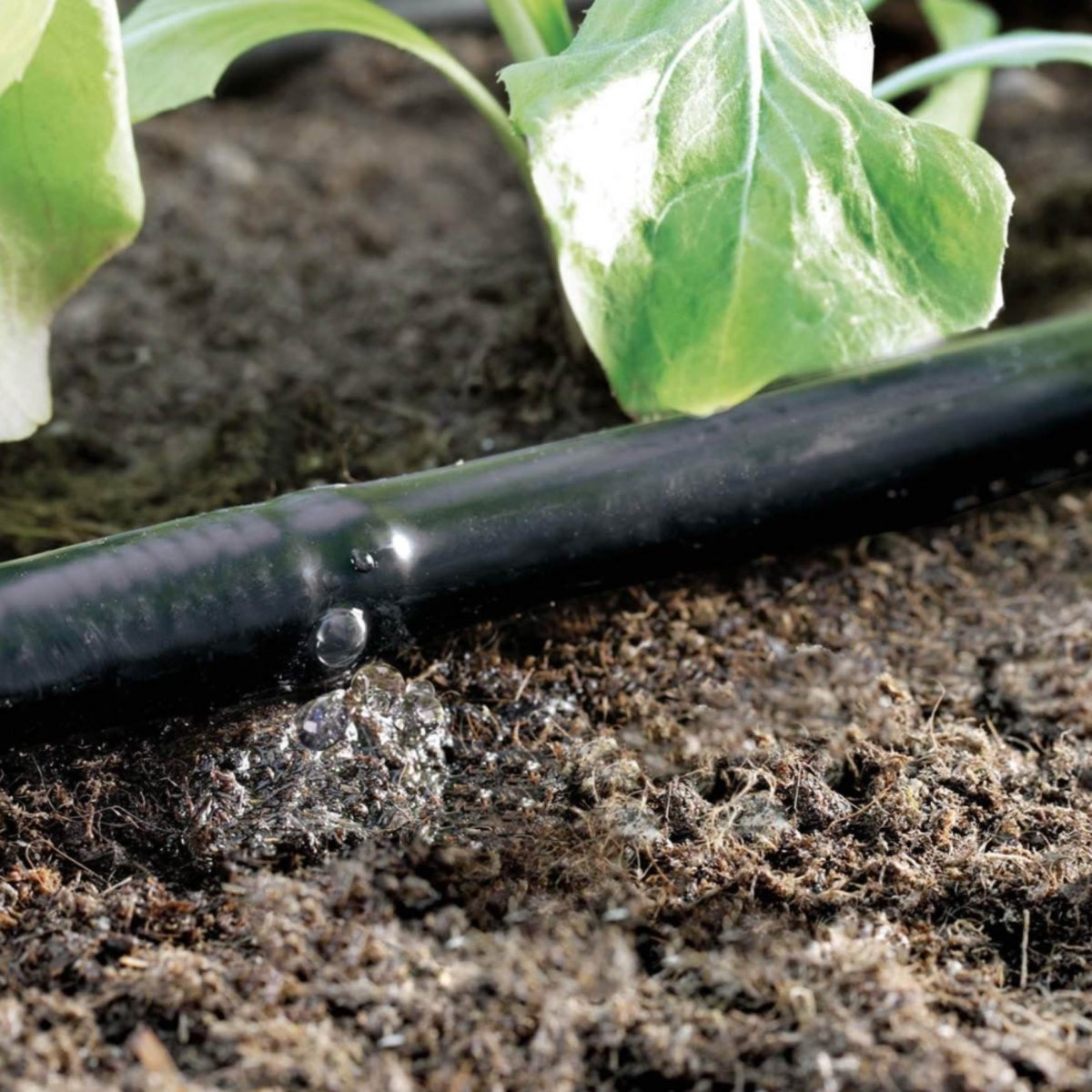
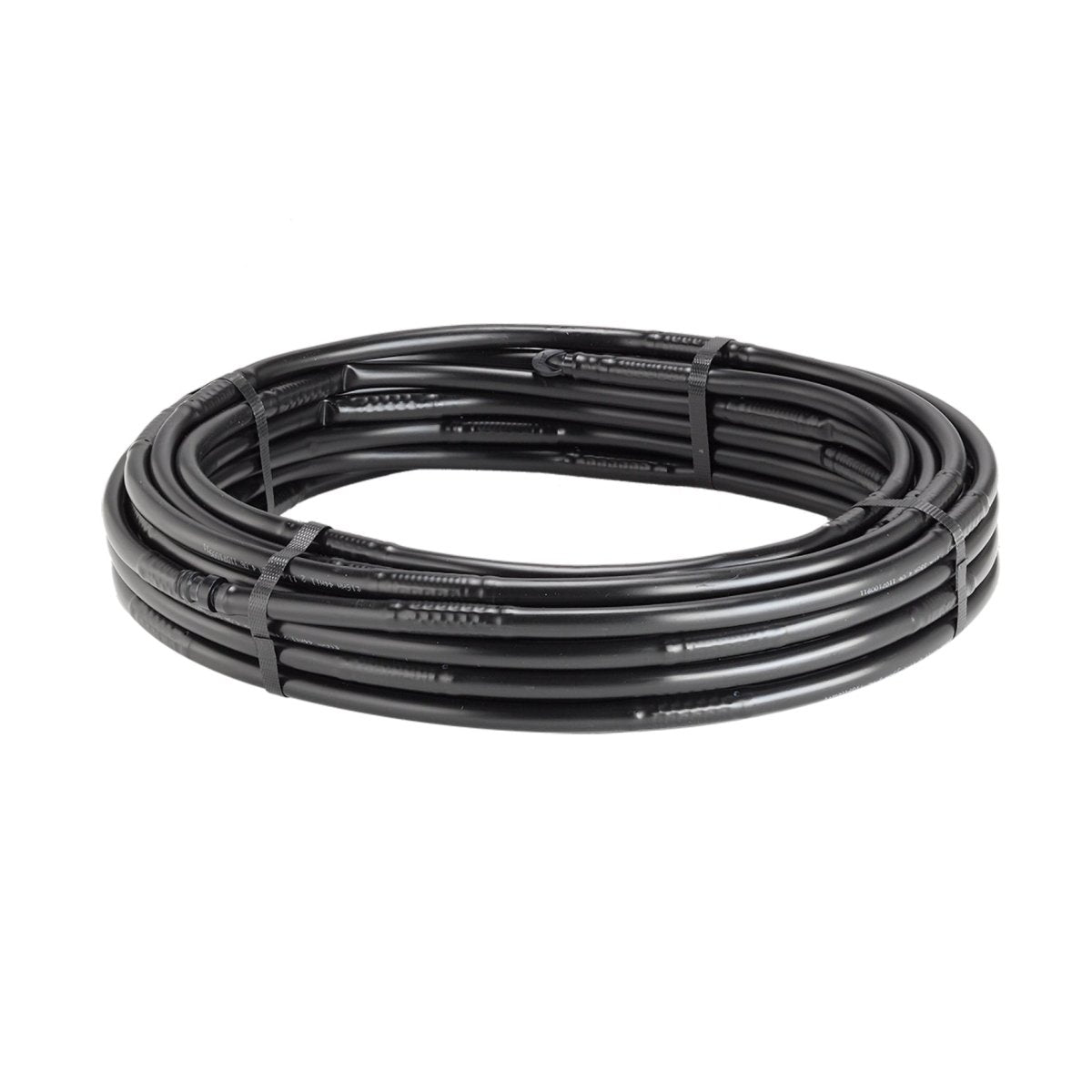
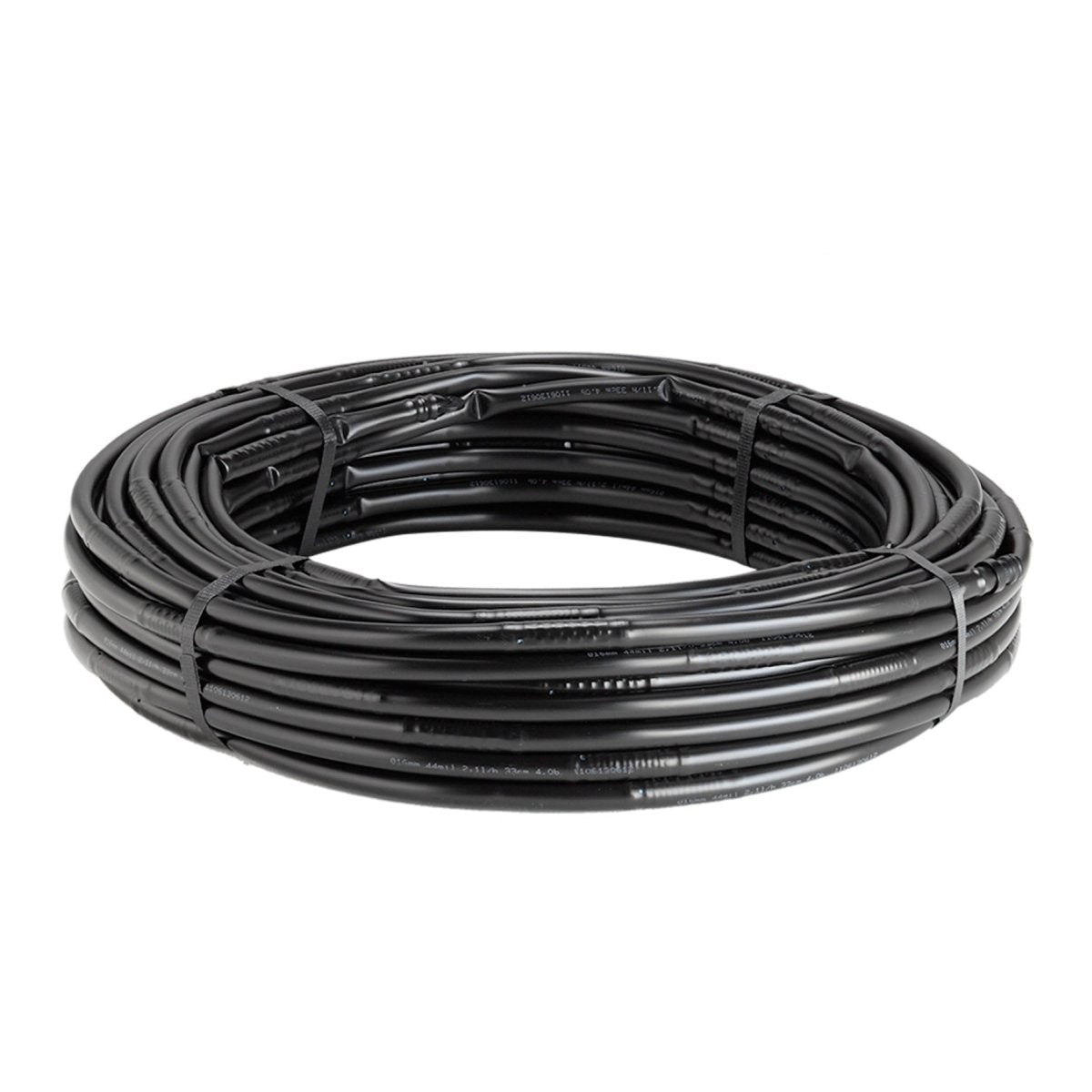
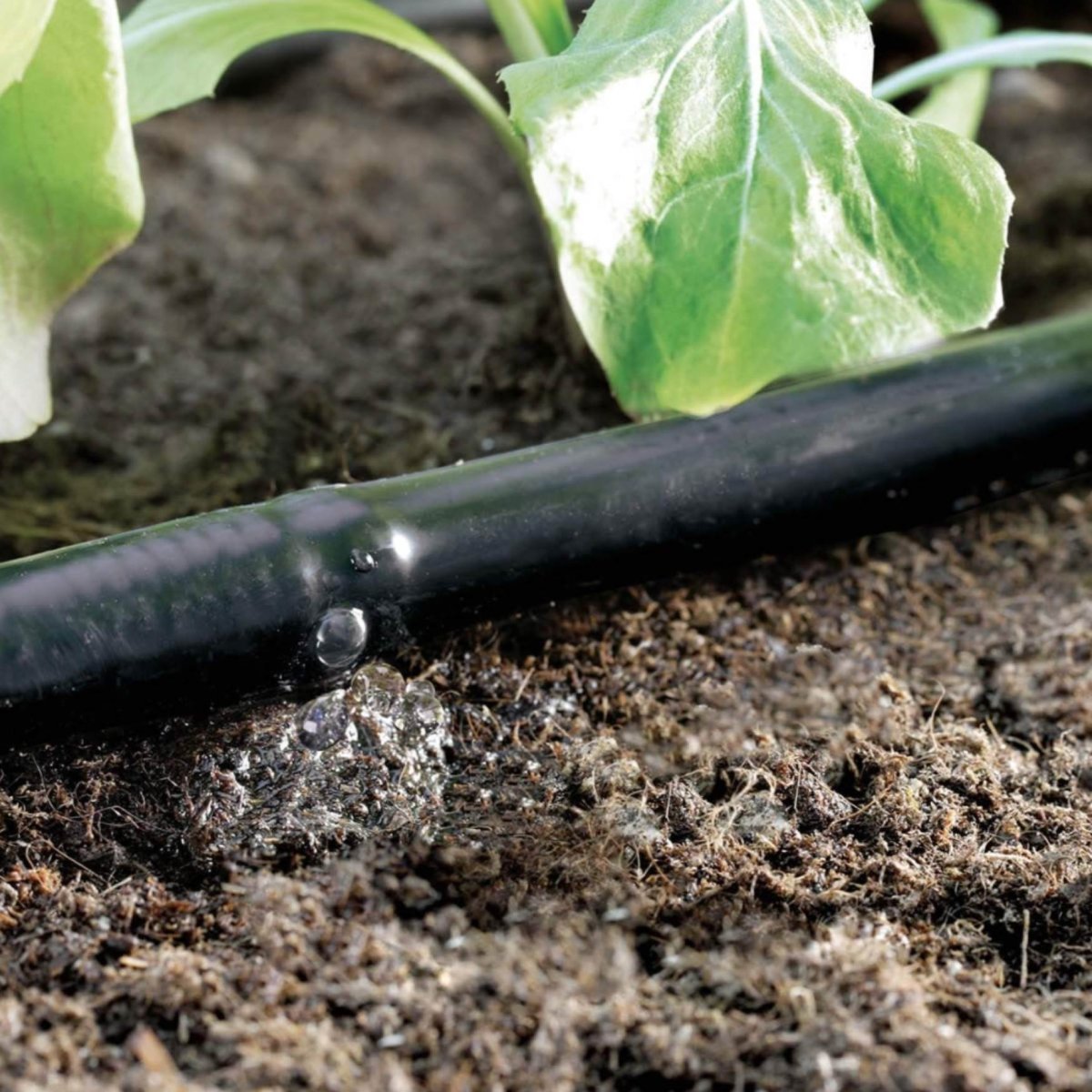
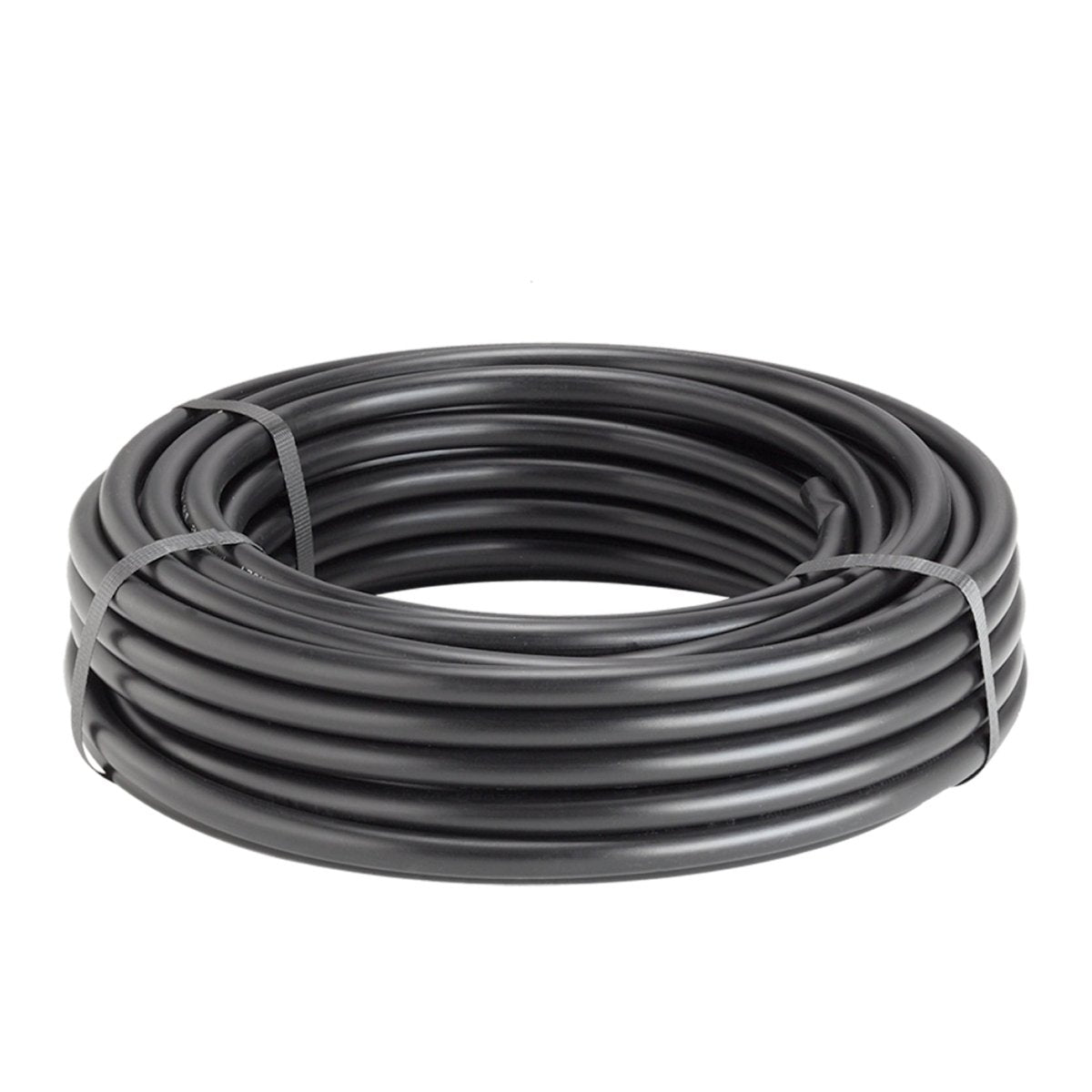
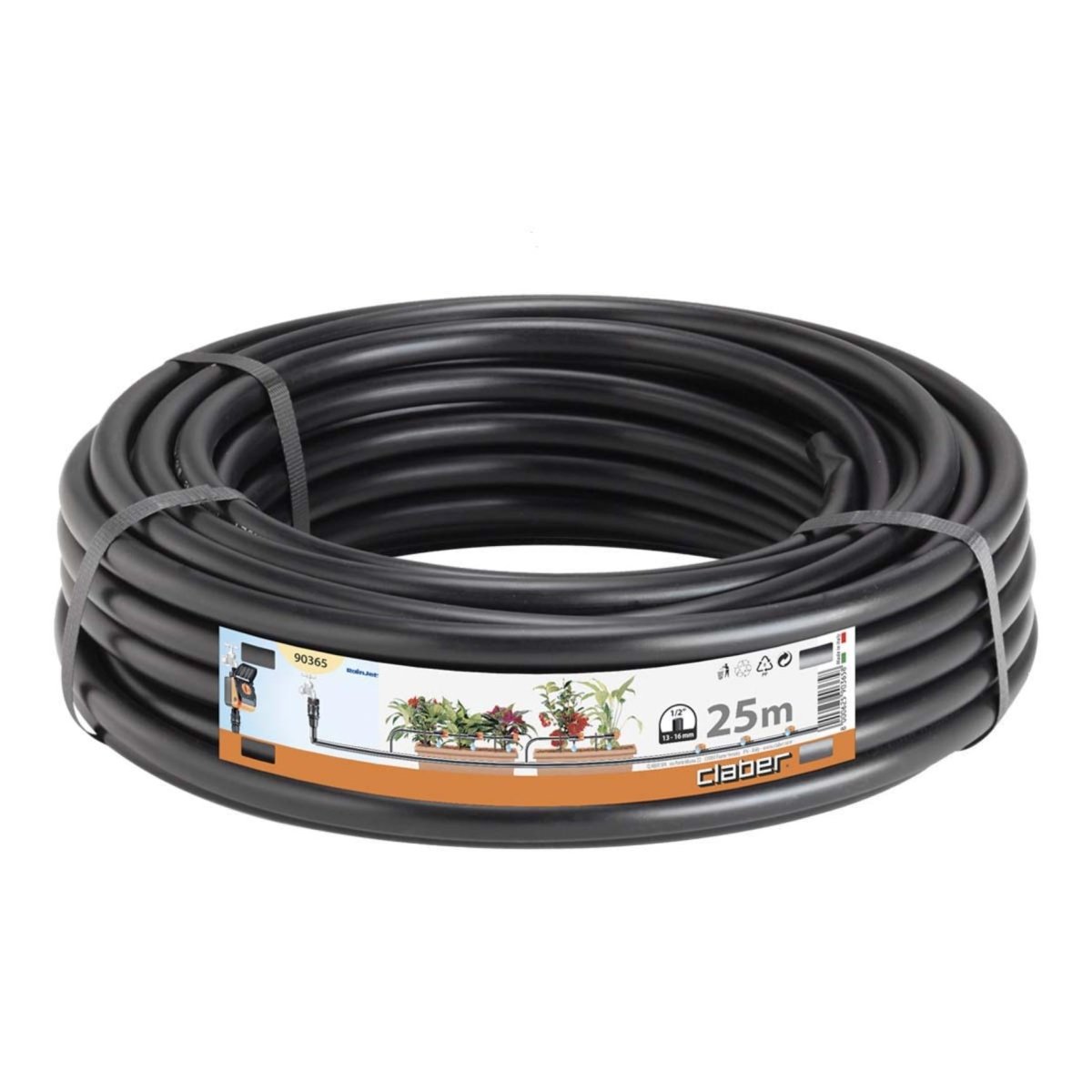
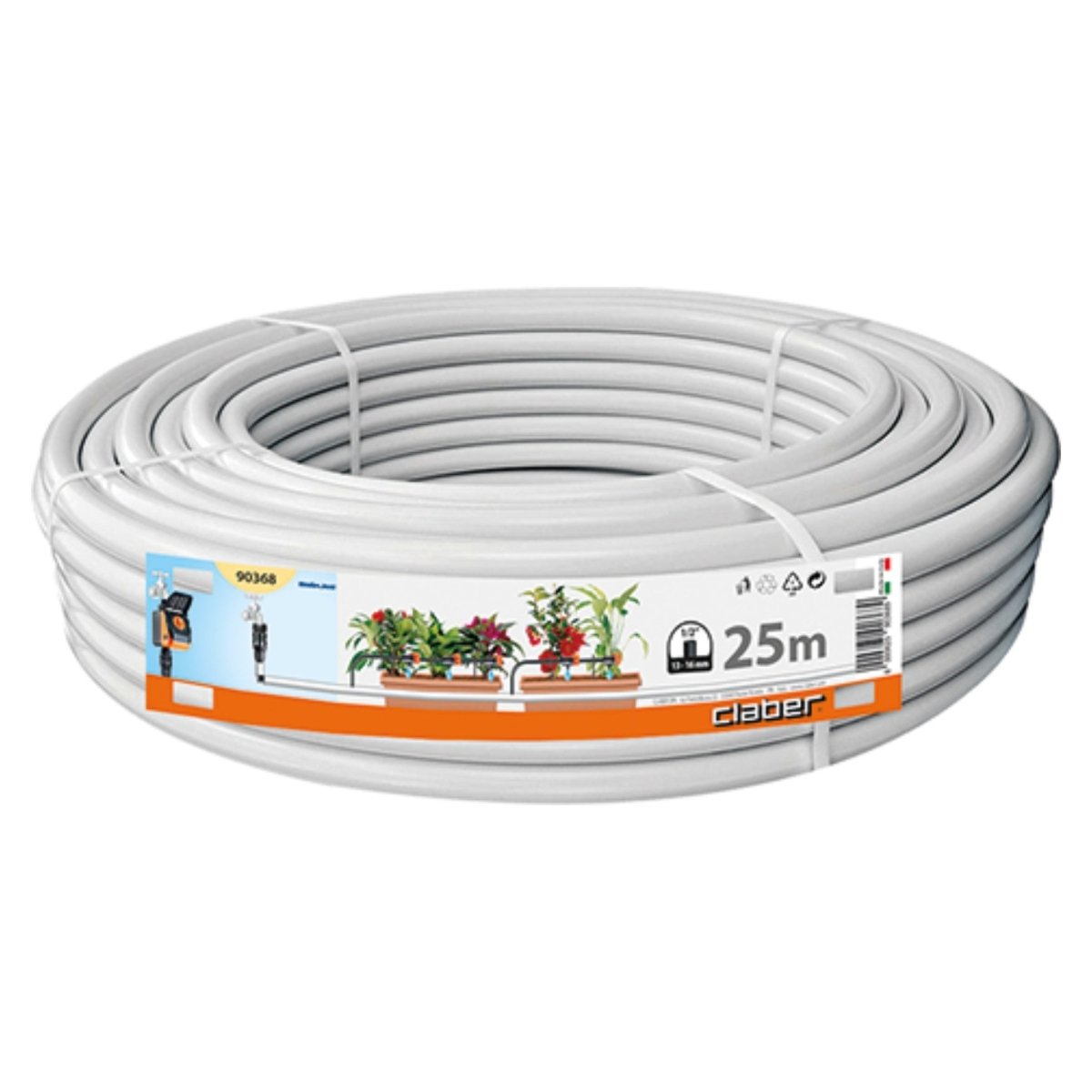
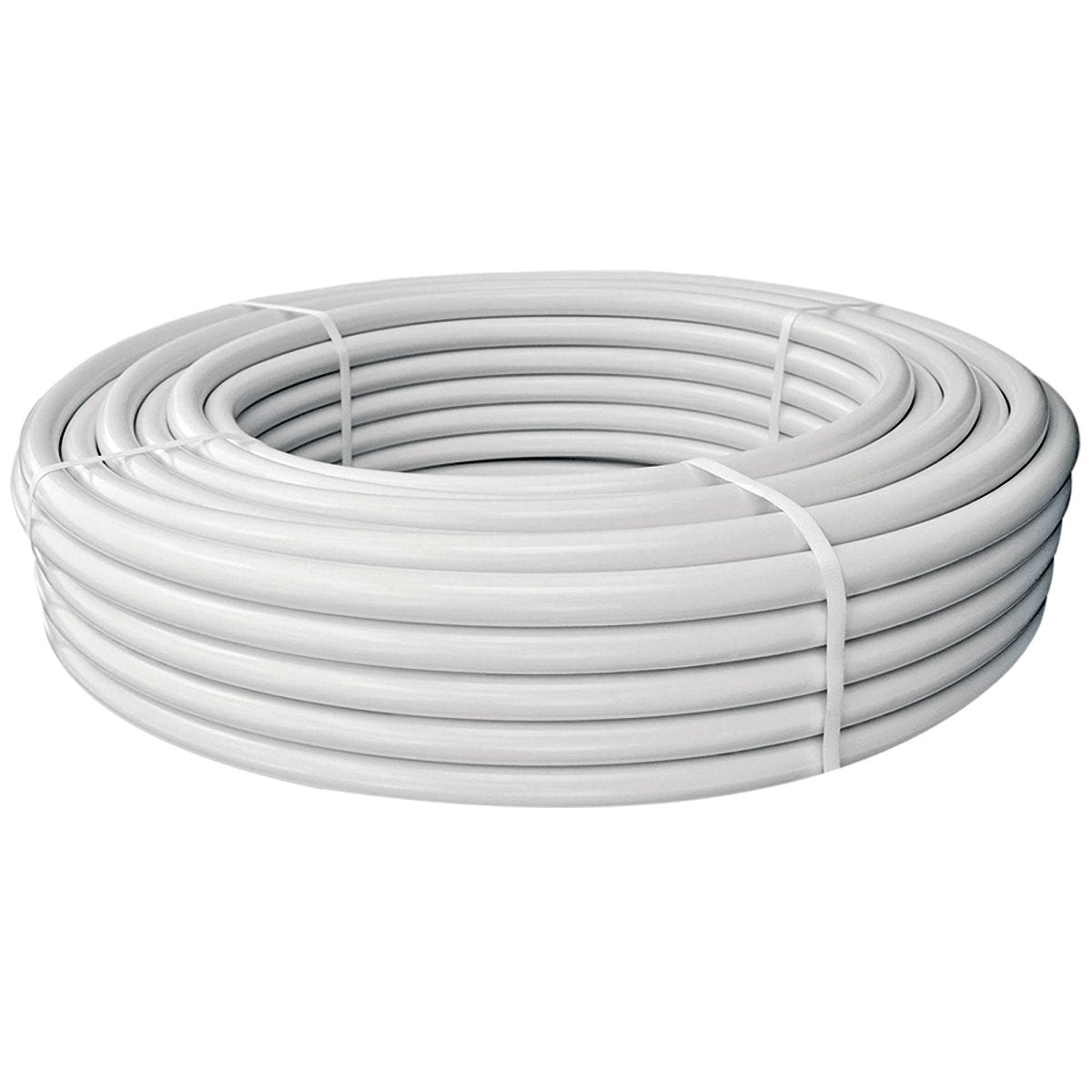
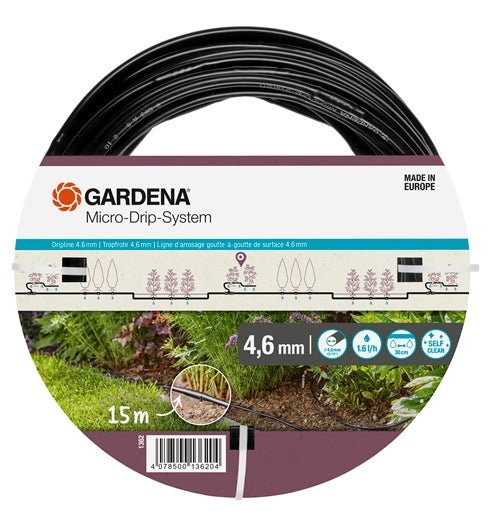
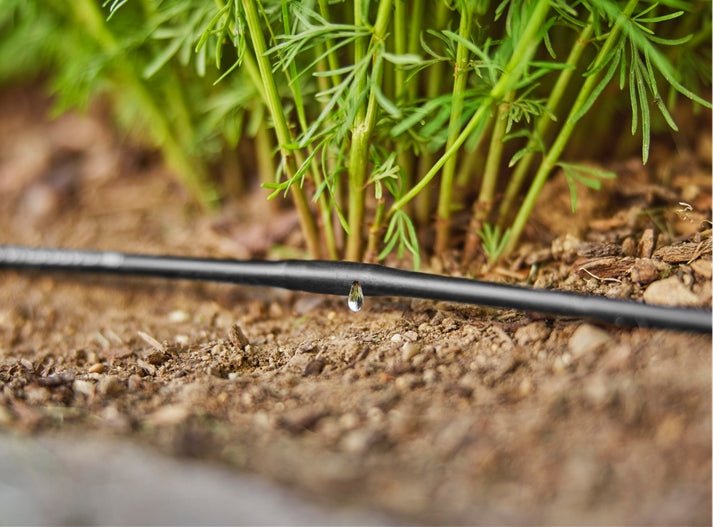
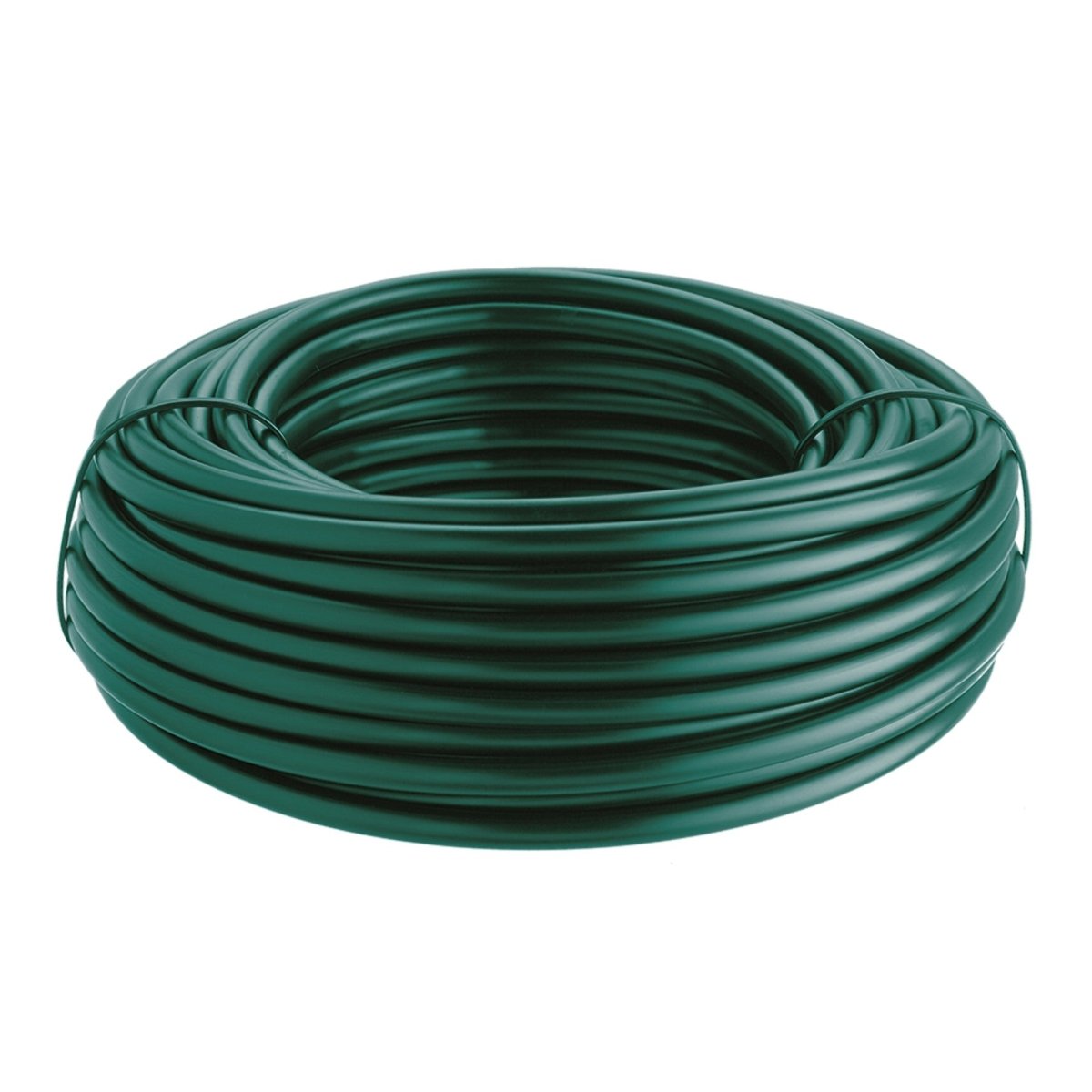
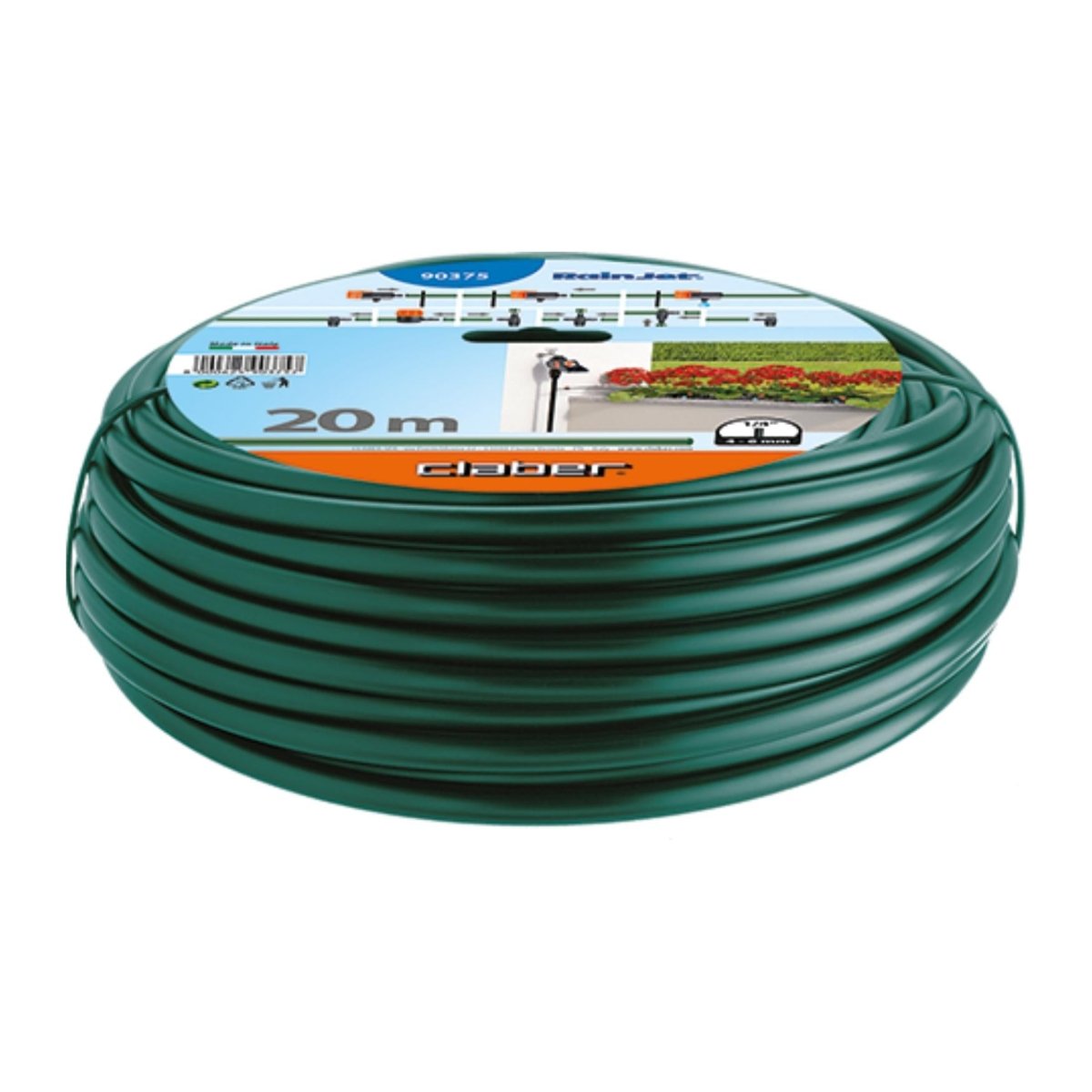
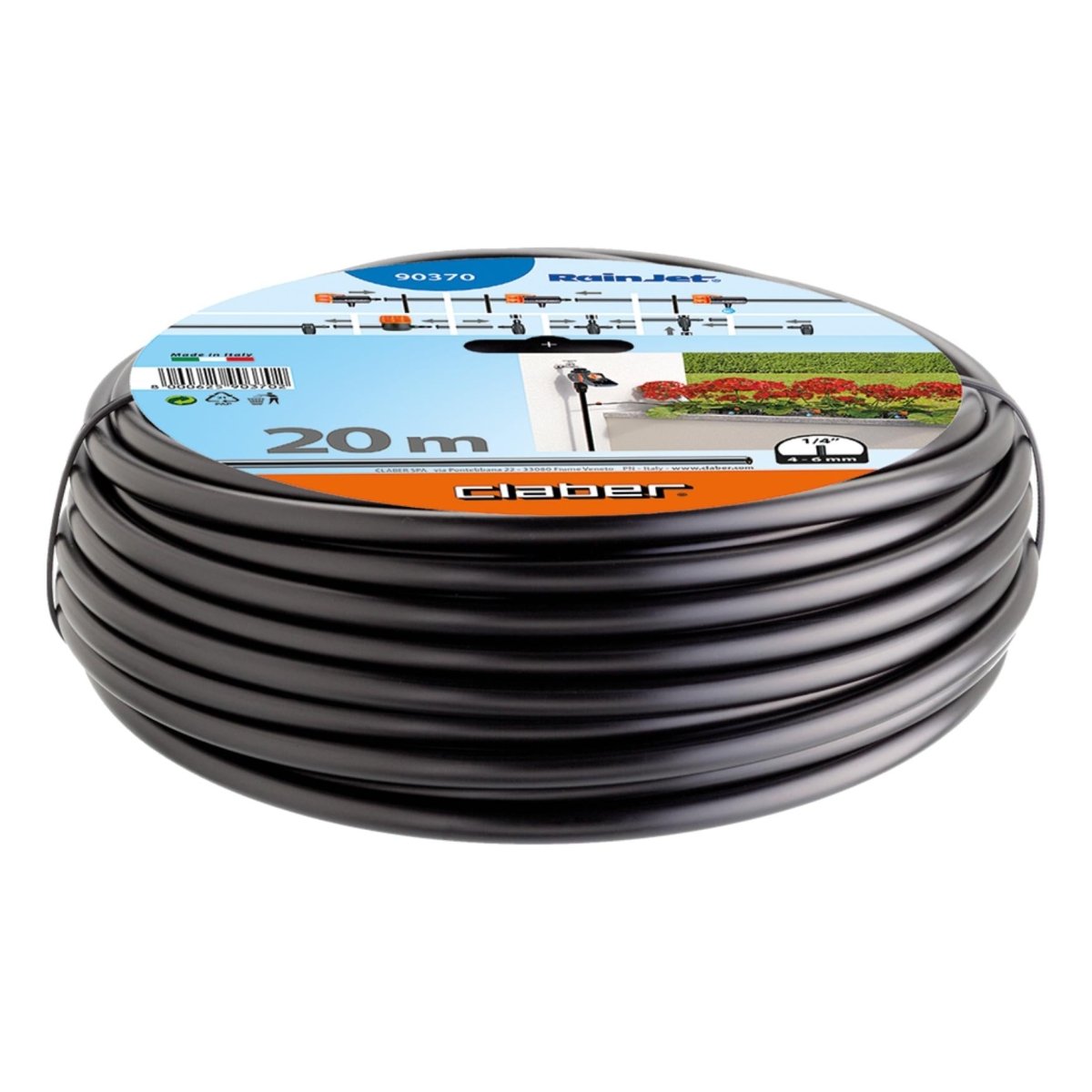
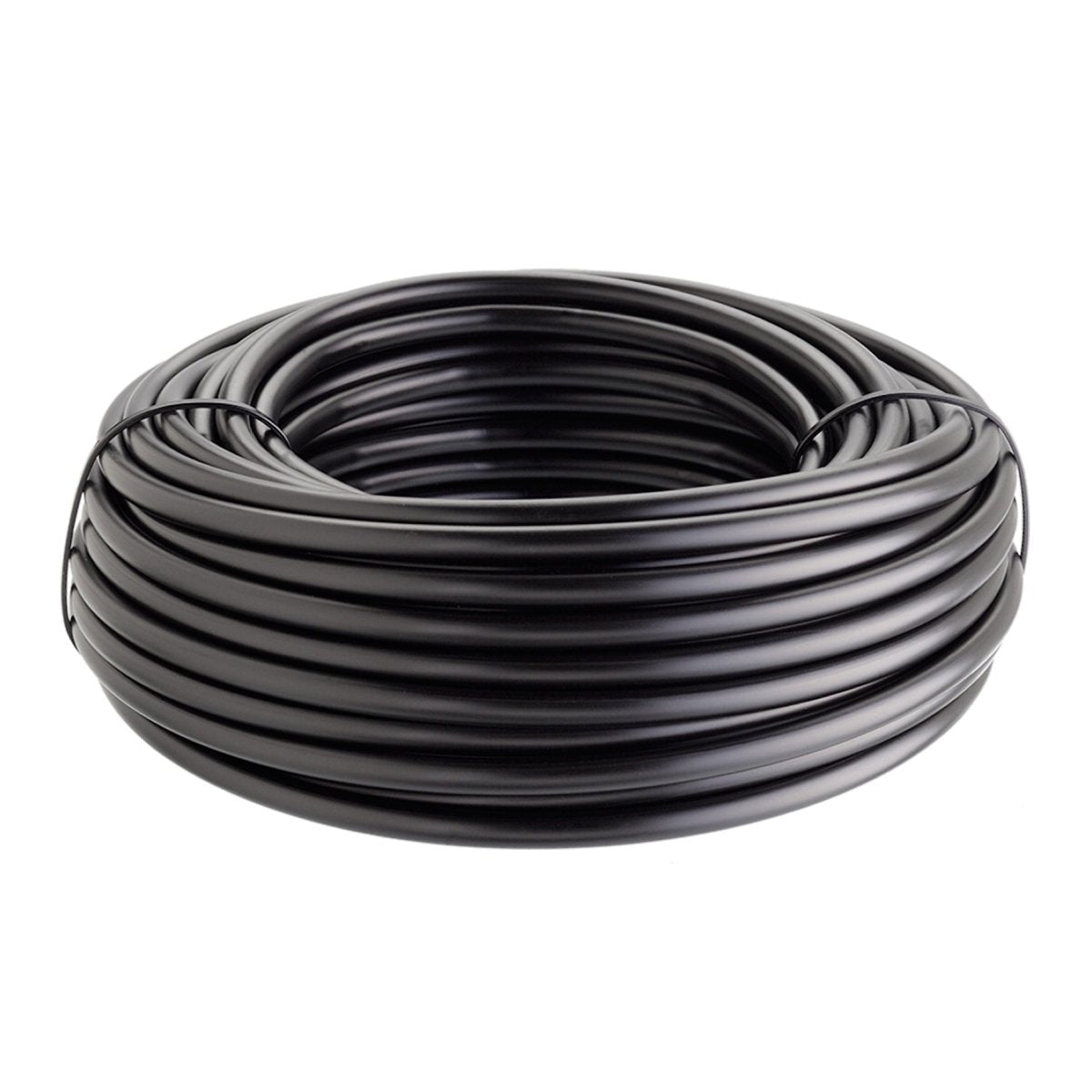
Irrigation tubing forms the backbone of any drip or micro-irrigation system. It delivers water from your tap or controller to drippers, sprinklers, and emitters, ensuring consistent, efficient watering across your garden, greenhouse, or growing area. Choosing the right tubing makes installation easier, improves water flow, and helps your system last longer.
1. Choose the correct tubing size
Irrigation tubing is available in different diameters, each suited to a specific role in your system.
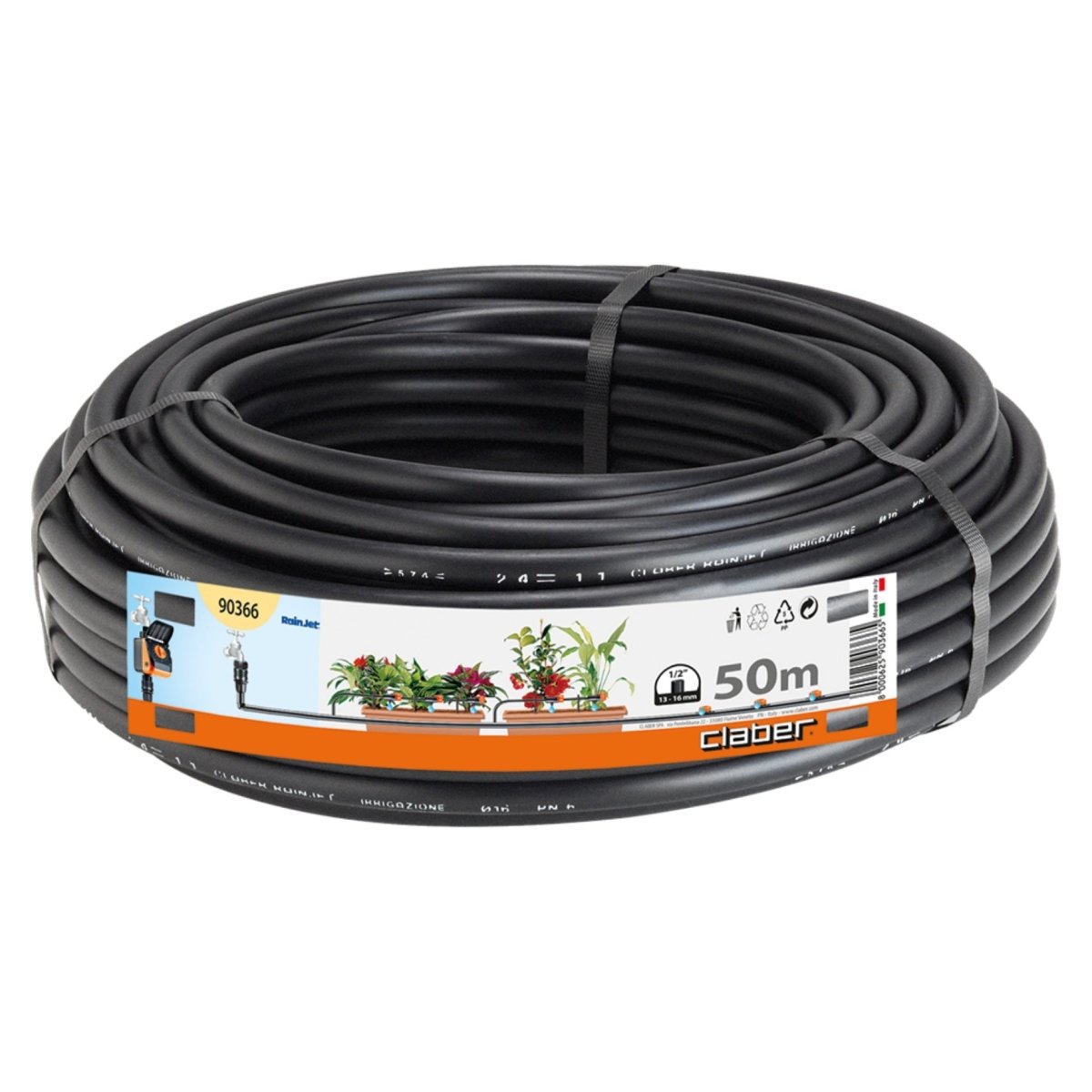
Main supply tubing (commonly 13mm / 1/2 inch) Used to carry water around the garden and feed the smaller lines. Ideal for borders, beds, and longer pipe runs.
Micro tubing (commonly 4mm) Used to deliver water directly to individual plants via drippers or micro sprinklers. Perfect for pots, containers, and precise watering.
Most systems use a combination of both sizes for flexibility and control.
2. Consider your garden layout
The size and shape of your garden will influence the type and length of tubing you need.
Small gardens & patios: Short runs of main tubing with micro tubing branches
Raised beds & vegetable plots: Straight runs of tubing laid along rows
Greenhouses: Compact layouts using micro tubing for precise plant-by-plant watering
Larger gardens: Longer mainline tubing with multiple connection points
Planning your layout in advance helps reduce joints, improve flow, and simplify installation.
3. Check material quality and flexibility
Good-quality irrigation tubing should be durable but flexible enough to install easily.
Flexible tubing bends around corners without kinking
UV-resistant materials prevent cracking and degradation in sunlight
Thick-walled tubing offers better resistance to punctures and wear
For permanent installations, durability is especially important.
4. Compatibility with connectors and fittings
Ensure your tubing matches the connectors, drippers, and accessories in your system.
Tubing must match the connector diameter exactly
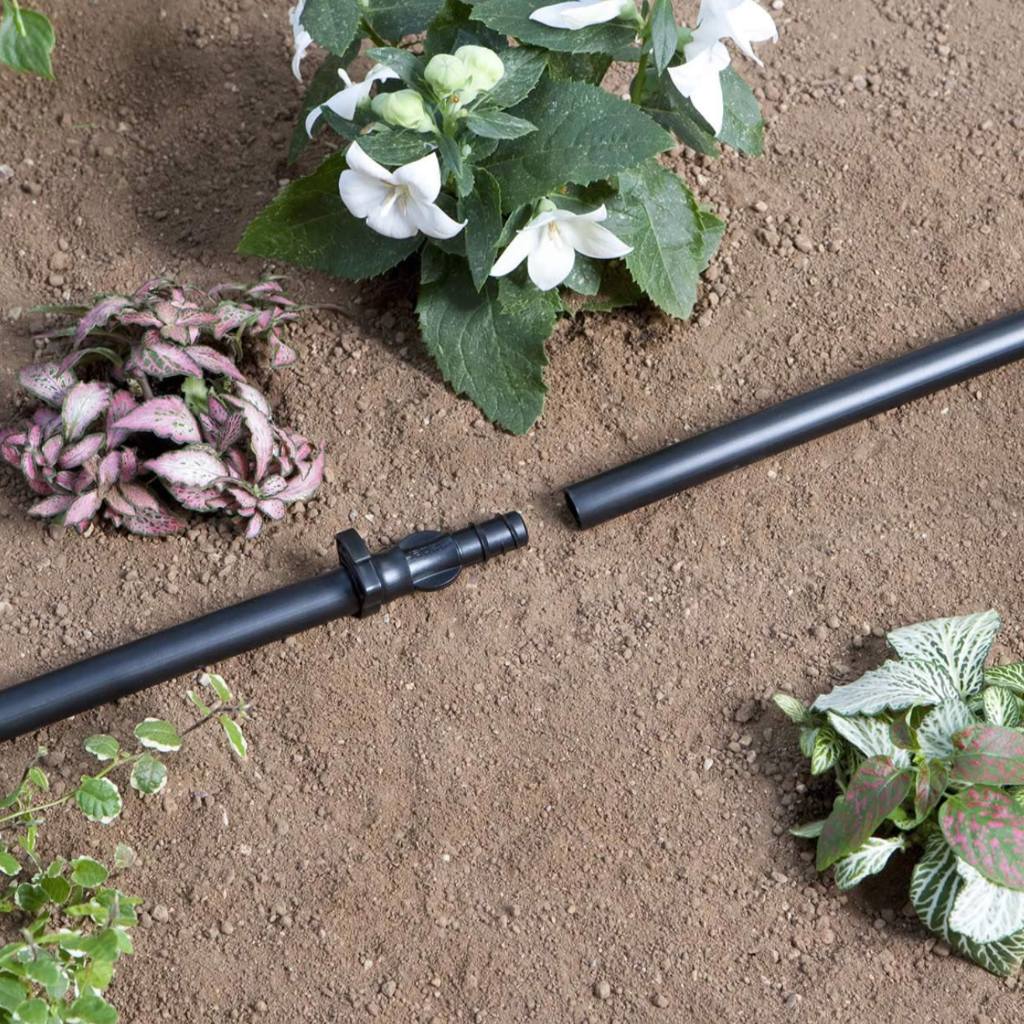
Self-piercing fittings allow quick installation of micro tubing into main lines
Barbed connectors help create secure, leak-free joints
Using compatible components reduces leaks and improves system reliability.
5. Pressure and water flow considerations
Most irrigation tubing is designed to operate at low pressure, making it ideal for drip systems.
Use a pressure regulator if connecting directly to mains water
Add a filter to prevent debris from blocking drippers and emitters
Longer tubing runs may need a larger diameter pipe to maintain even flow
Correct pressure ensures all plants receive consistent watering.
6. Think about future expansion
Gardens change, and your irrigation system should be able to grow with them.
Leave spare tubing loops or connection points
Choose tubing that’s easy to cut, extend, and reconnect
Modular systems make upgrades as simple as planting areas expand